Free HVAC work order template
Updated 2026-11-07 · By the HVAC Service Estimator team
The work order is the document that sits between the approved estimate and the invoice. Its job is to tell the technician exactly what was authorized, capture what was actually found and done, and record the readings and signatures that make the invoice defensible. Get the work order right and the invoice is a formality; get it wrong and you are reconstructing the job from memory that evening.
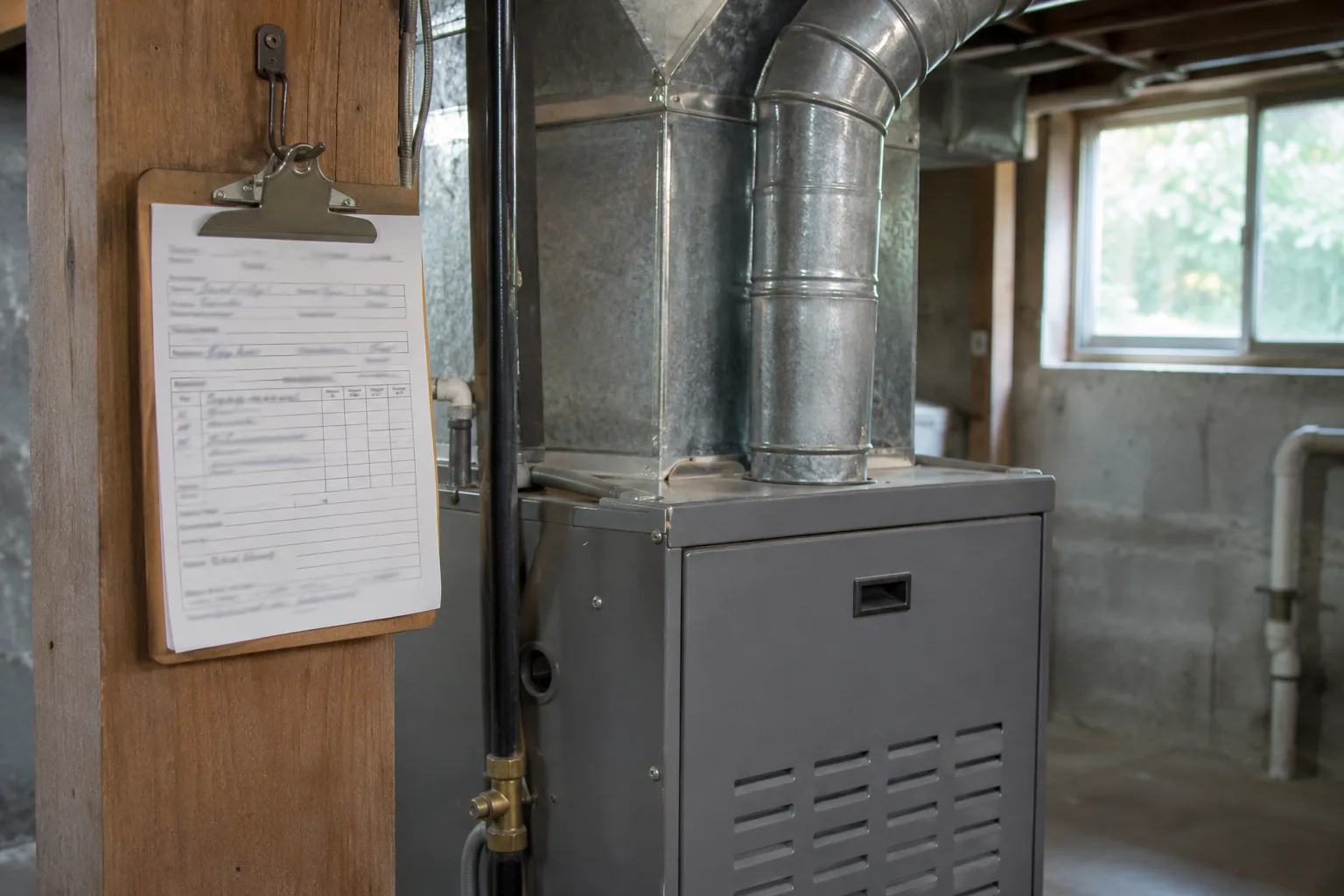
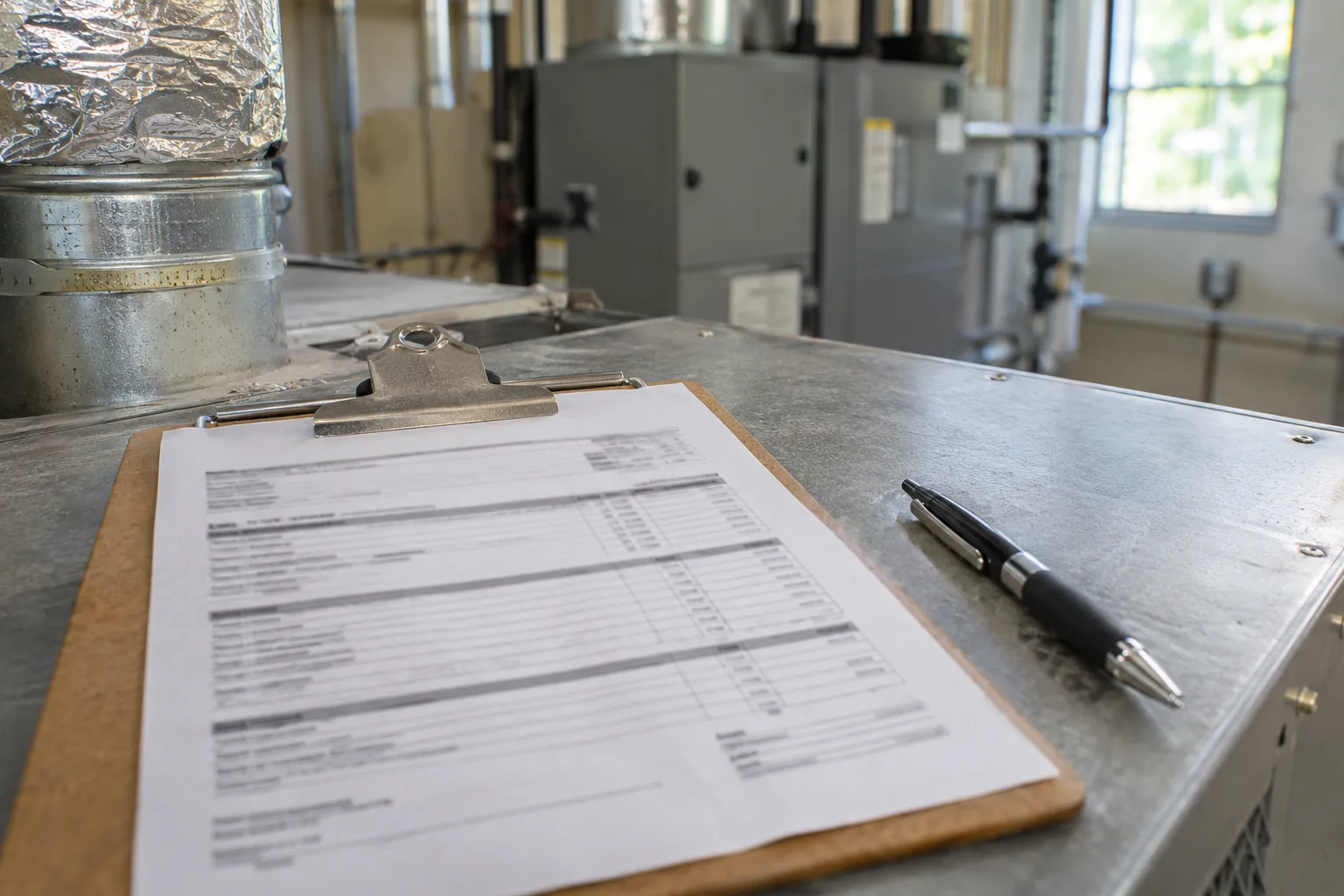
Fill in the customer, the equipment and the authorized scope, print it for the truck or complete it on a phone, and carry the findings and readings straight through to the invoice. The template covers a single repair call and a multi-day changeout alike.
What goes on an HVAC work order
- Job identification: work order number, date, scheduled window, technician name, and the related estimate number.
- Customer and service address, plus the gate code, pet, lockbox or access note that otherwise costs a phone call.
- Equipment nameplate data for every unit touched: make, model, serial, capacity, efficiency, refrigerant type and electrical data.
- Complaint as stated, in the customer's words.
- Authorized scope, carried from the approved estimate so the technician knows the boundary.
- Findings, recorded separately from the complaint.
- Work performed, step by step on anything involving the sealed system.
- Parts and materials used, including refrigerant by the pound with the type named.
- Labor hours, by work type.
- Commissioning readings, measured on site.
- Added work and its approval: what, who approved it, when, by what means, for how much.
- Signatures: authorization before work begins, acknowledgement on completion.
Nameplate data first, before anything is touched
The first thing on the ticket is what is actually installed, read off the data plate and photographed. Model and serial decide parts availability and warranty status, and they are what a future warranty registration and the next technician depend on. They also answer the question that reframes the whole job: what refrigerant is in this system. An R-22 machine changes the conversation immediately, because like-for-like sealed-system repair is no longer practical - the refrigerant is out of production and remaining supply is expensive and inconsistent.
Complaint, findings and authorized scope as three separate fields
Keeping these apart is what makes the ticket useful later:
- Complaint: "Not cooling since Tuesday, breaker tripped once."
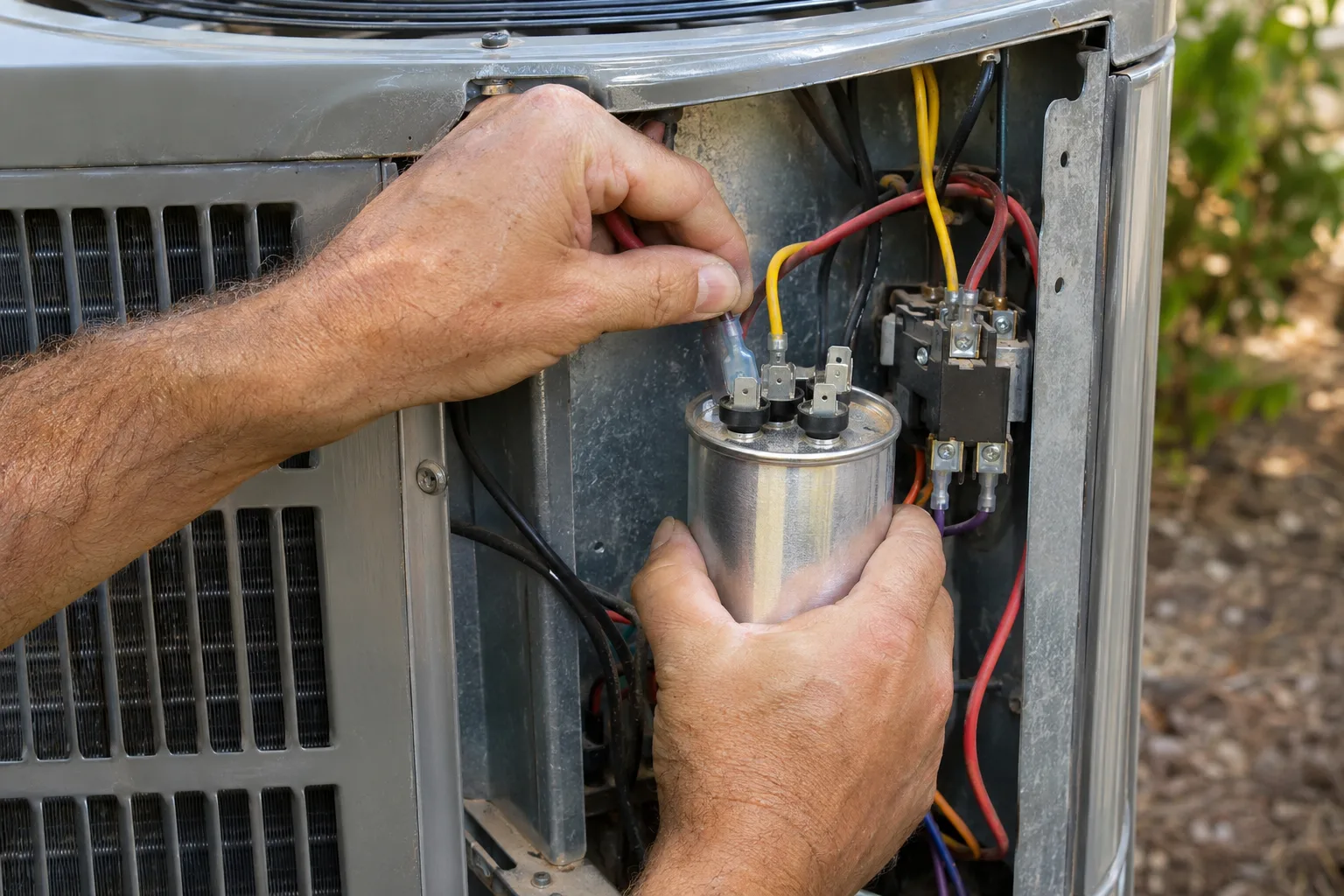
- Findings: "Dual-run capacitor reading 18/3 against 40/5 rated. Contactor points pitted. Condenser coil heavily fouled. No visible oil at service valves."
- Authorized scope: carried from the estimate, so the technician can see where the approval stops.
That third field is the one that prevents the most expensive kind of mistake: work performed in good faith that nobody agreed to pay for. If the authorized scope says capacitor and contactor, and the technician also wants to clean the coil, that is added work needing approval before it happens.
Sealed-system work gets a checklist, not a sentence
Any job that opens the refrigerant circuit has a fixed sequence, and the ticket should have a line for each step with space for the actual value:
| Step | Record |
|---|---|
| Recover existing charge | Technician EPA 608 certification, amount recovered |
| Braze joints | Joints made, nitrogen purge used |
| Nitrogen pressure test | Test pressure, hold time, result |
| Evacuate | Microns reached, decay with pump isolated |
| Weigh in charge | Refrigerant type, pounds and ounces, lineset adjustment |
A technician who records 500 microns and a passing decay test has documented the job properly. "Evacuated and charged" documents nothing. On leak work, also record which product the customer actually bought, because the published gap is large and the distinction matters later: Angi shows leak repair at $250 to $1,500 against a recharge alone at $100 to $500. A recharge without a leak search is a temporary fix and the ticket should say the customer was told so.
Commissioning readings, written while the gauges are on
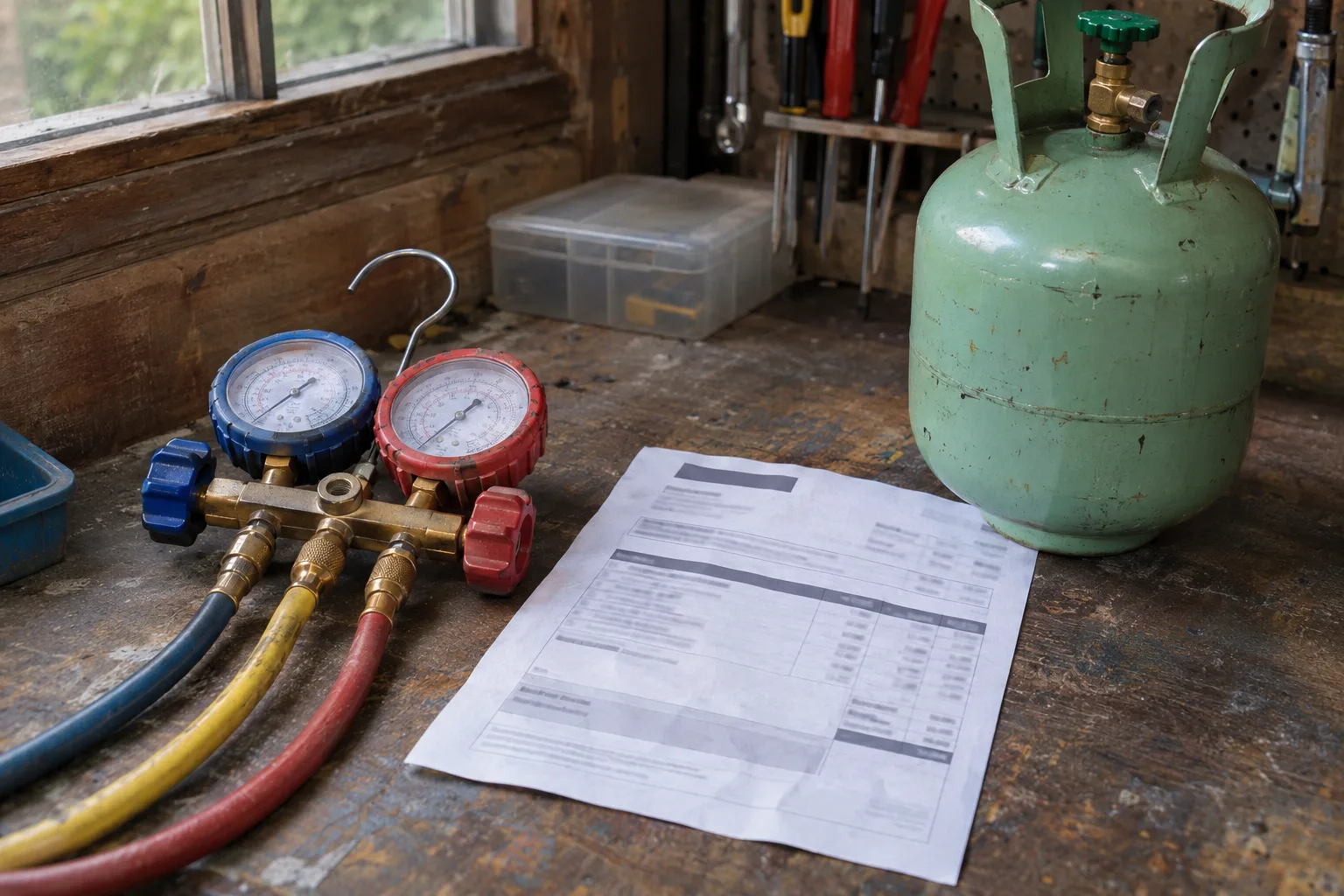
Dedicate a block on the ticket to measured values and fill every field:
- Superheat and subcool.
- Supply and return static pressure.
- Measured airflow against the design value.
- Combustion analysis on gas equipment.
- Temperature split, supply and return.
- Thermostat configuration and staging verified.
- Condensate drain and safety switch tested.
Record them on site. These are measurements, and a measurement written down two hours later is a memory. They are also what lets you answer a complaint next August from the file rather than from a free return trip.
Access, recorded as it happened
Note where the equipment is and how long getting to it took: attic, crawlspace, roof, or a crane set. Access is real labor and it is the line most often absorbed rather than billed. Recording it on the ticket does two things - it supports the labor line on the invoice, and over a few months it tells you whether your attic and crawlspace pricing matches reality. See the HVAC labor rates guide for turning that history into rates.
Added work and the approval trail
When the technician finds something beyond the authorized scope, the ticket is where approval gets captured before the work happens: what was found, what it costs, who approved it, at what time and by what means. On a changeout this comes up constantly - a plenum transition that has to be rebuilt, a disconnect that is not to code, a condensate line with no trap, a return that is undersized.
Repair calls escalate the same way. Fixr puts overall AC repair at $375 on average with most jobs between $250 and $700, but a diagnosis that turns up a failed compressor is a different conversation entirely. With the approval recorded on the ticket, the invoice is simply the sum of things the customer agreed to. Without it, the invoice is an argument.
Two signatures
- Before work begins: the customer authorizes the scope on the ticket, which should match the approved estimate.
- On completion: the customer acknowledges the work was performed and the equipment was left running, and receives the filter and maintenance guidance you want on record.
If approval for added work comes by phone, record the name, the time, the amount and the person who took the call.
Carrying it to the invoice
A complete work order makes invoicing mechanical: equipment with serials, labor hours, refrigerant weighed in, permit number, commissioning readings and approvals are all already written down. Nothing is retyped and nothing is reconstructed. Use the HVAC invoice template for the billing document, and the HVAC estimate template for the approval that starts the chain.
Frequently asked questions
What is the difference between a work order and an invoice?
The work order authorizes and records the work: what was approved, what the technician found, what was performed, what readings were taken and who signed. The invoice bills for it. The work order is the field document and the evidence; the invoice is the money document built from it.
What should a technician record on a work order?
Equipment nameplate data for everything touched, the complaint as the customer stated it, the findings, the work performed step by step on sealed-system jobs, refrigerant weighed in by type and amount, parts used, labor hours, commissioning readings, and the customer's signature on completion and on any added work.
Does a work order need a signature?
Two, ideally. One authorizing the scope before work begins, and one on completion acknowledging the work was done and the equipment was left running. Any work added mid-job gets its own signature or a recorded phone approval with the time and the amount, which is what prevents a dispute at invoicing.
Why record commissioning readings in the field rather than later?
Because they are measurements, and a measurement written down an hour later is a recollection. Superheat, subcool, static pressure, airflow and combustion analysis results go on the ticket while the gauges are still connected. Those numbers are what answer a performance complaint next season without a free return trip.
Sources
One job, from photo to paid
Keep the estimate, the work order and the invoice for each address together, with the photos and readings attached.
More in for shops